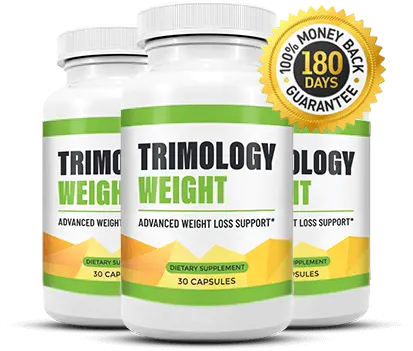
What is Trimology?
Trimology is a daily dietary supplement sold in capsule form, designed specifically for adults — particularly women over 35 — who experience stubborn weight gain, slowed metabolism, and increased cravings that don't respond to conventional diet and exercise.
The product is built around what the brand calls the "BioSignal Network" — their proprietary name for the gut-microbiome-to-metabolism connection. While the branded term is marketing language, the underlying biology is well-documented: gut bacteria produce short-chain fatty acids (primarily butyrate) that regulate metabolic signaling, hunger hormones, and fat storage. When butyrate-producing bacteria decline — which research suggests happens progressively with age — this regulatory system weakens.
Trimology attempts to restore this system through resistant starch (RS2) and targeted probiotic strains, rather than stimulating thermogenesis or suppressing appetite through caffeine or harsh chemicals.
Trimology is a dietary supplement, not a pharmaceutical. No drug-level efficacy claims are valid. Results depend significantly on individual factors including diet, activity, baseline gut health, and consistency of use.
Trimology ingredients: what the science says
RS2 is the standout ingredient in Trimology and the most scientifically interesting. Resistant starch type 2 — derived from raw potato starch — resists digestion in the small intestine and reaches the large intestine intact, where it selectively ferments to produce butyrate and other short-chain fatty acids. Published research in the British Journal of Nutrition has found RS2 consumption associated with improved glycemic markers, increased satiety hormones (GLP-1 and PYY), and reduced visceral fat markers in overweight adults. A 2024 ingredient-category study found participants taking potato-derived resistant starch lost approximately twice as much weight as placebo over 12 weeks. Important caveat: this was ingredient-category research — not a Trimology-specific trial.
Inulin from chicory root is one of the most studied prebiotics — it acts as food for beneficial gut bacteria, amplifying the effect of the RS2. A randomized, placebo-controlled study published in Food & Nutrition Research found women taking inulin for one week felt significantly less hungry and consumed approximately 20% less food at lunch compared to placebo. Inulin has EFSA-approved health claims for digestive function in Europe and is widely recognized as a safe, effective prebiotic fiber at studied doses.
C. Butyricum is a probiotic strain that directly produces butyrate — making it a "butyrate factory" in the gut. Butyrate is the primary short-chain fatty acid that regulates gut barrier integrity, reduces gut inflammation, and influences metabolic signaling pathways. Research in Frontiers in Microbiology confirms C. Butyricum's role in gut health and metabolic outcomes. It is less studied for weight loss specifically than for gut health broadly, but the mechanistic connection to metabolism is well-established.
Akkermansia is increasingly called the "slim gut bacteria" — and for good reason. People with higher levels of Akkermansia in their gut microbiome consistently show better metabolic markers in population studies. A landmark clinical trial published in Nature Medicine (2019) found pasteurized Akkermansia supplementation in overweight humans improved metabolic markers including insulin sensitivity and body composition. Research also links Akkermansia to GLP-1 production — the same mechanism targeted by popular prescription weight loss drugs like Ozempic, but through natural gut signaling rather than pharmaceutical intervention.
B. Infantis is a well-established probiotic strain with research in gut balance, immune function, and inflammation reduction. Its role in Trimology is primarily restoring gut microbiome diversity — particularly relevant for women over 35 whose gut bacteria naturally diversify and decline with age and hormonal changes. Research links B. Infantis to regulation of hunger hormones and reduction of gut inflammation associated with metabolic dysfunction.
The Akkermansia + RS2 combination: This is what makes Trimology stand out from typical weight loss supplements. RS2 resistant starch specifically feeds Akkermansia muciniphila — creating a synergistic loop where the prebiotic fuel grows the bacteria most associated with metabolic health. This combination is supported by emerging research and is genuinely different from caffeine-based fat burners or appetite suppressants.
Pros and cons
✓ Pros
- ✓ RS2 resistant starch has the strongest weight-related evidence
- ✓ Akkermansia muciniphila is the most exciting metabolic probiotic in current research
- ✓ Completely stimulant-free — no caffeine, jitters, or crashes
- ✓ 180-day money-back guarantee — longest in this category
- ✓ GMP certified, FDA-registered US facility
- ✓ Non-GMO, plant-based ingredients
- ✓ Targets root cause (gut microbiome) rather than masking symptoms
✗ Cons
- ✗ No independent clinical trial on the finished Trimology formula
- ✗ Exact doses not disclosed — cannot verify against clinical thresholds
- ✗ Marketing language significantly overstates ingredient effects
- ✗ Results take 4–8 weeks — not a quick fix
- ✗ Only available through official website
- ✗ 1-bottle option requires shipping fees
- ✗ Limited independent user reviews available
Who is Trimology for?
✓ Women over 35 with stubborn belly fat that doesn't respond to typical approaches
✓ People with digestive issues (bloating, irregular digestion) linked to weight gain
✓ Anyone interested in the gut microbiome approach to metabolic health
✓ Those who have tried stimulant-based supplements and experienced side effects
✓ People committed to 3–6 months of consistent supplementation
Trimology is NOT appropriate for:
✗ Replacing medical treatment for obesity or metabolic conditions
✗ Anyone expecting visible results within days or weeks
✗ Pregnant or nursing women without physician approval
✗ Anyone not willing to combine supplementation with basic healthy habits
Pricing and guarantee
| Package | Supply | Price per bottle | Total | Shipping |
|---|---|---|---|---|
| 1 bottle | 30 days | $69 | $69 | $9.95 |
| 3 bottles | 90 days | $59 | $177 | FREE |
| 6 bottles ★ Best value | 180 days | $49 | $294 | FREE |
The 180-day money-back guarantee is one of the strongest in the supplement industry. The brand states no return is required — contact support@trimology.com within 180 days of purchase for a full refund. This significantly reduces financial risk for first-time buyers.
Check current Trimology pricing
The 6-bottle bundle offers the best value at $49/bottle with free shipping and the full 180-day guarantee.
View official Trimology site →Frequently asked questions
Our verdict
Trimology is a more scientifically coherent weight loss supplement than most in its category. The RS2 + Akkermansia combination is genuinely interesting — it targets the gut-microbiome-metabolism pathway with ingredients that have real published research behind them, rather than relying on caffeine, Garcinia Cambogia, or other overcrowded supplement ingredients.
The marketing overstates the science — "BioSignal Network" is a brand term, not a clinical concept, and no Trimology-specific clinical trial exists. But the underlying ingredient rationale is sound, the formula is stimulant-free, and the 180-day guarantee is the strongest risk-reduction tool in this category.
Bottom line: A reasonable option for women over 35 who want a gut-focused, stimulant-free approach to metabolic support — with realistic expectations and patience for results that take 6–10 weeks to emerge.
Ready to try Trimology?
The 6-bottle bundle offers the best value at $49/bottle with free shipping and 180-day guarantee.
Visit official Trimology website →Trimology vs. Ozempic / Wegovy: Honest Comparison
Trimology's marketing leans into the GLP-1 angle — the same mechanism targeted by Ozempic and Wegovy. Here is the honest comparison:
Ozempic / Wegovy (semaglutide) are prescription GLP-1 receptor agonist drugs with landmark clinical trials showing 15-20% body weight reduction in people with obesity. They directly activate GLP-1 receptors, dramatically slowing gastric emptying and reducing appetite. Cost: $800-1,000/month. Side effects include nausea, vomiting, and rare but serious risks including pancreatitis and thyroid tumors.
Trimology attempts to support the body's natural GLP-1 production through gut bacteria — primarily Akkermansia muciniphila, which research links to GLP-1 secretion in the gut. This is a fundamentally different mechanism: supporting endogenous hormone production vs. directly activating hormone receptors with a pharmaceutical agonist.
The realistic expectation: Trimology cannot produce Ozempic-level results. The drug directly forces GLP-1 receptor activation at a pharmacological dose. Trimology nudges the gut microbiome to produce more of your body's own GLP-1 — a gentler, slower, more natural process. For people who cannot access or afford GLP-1 drugs, or who want a natural approach to metabolic support, Trimology's mechanism is scientifically interesting. For people with clinical obesity who are candidates for GLP-1 therapy, Trimology is not a substitute.